How Emergency Dentist Ventura Supports Recovery After Dental Trauma
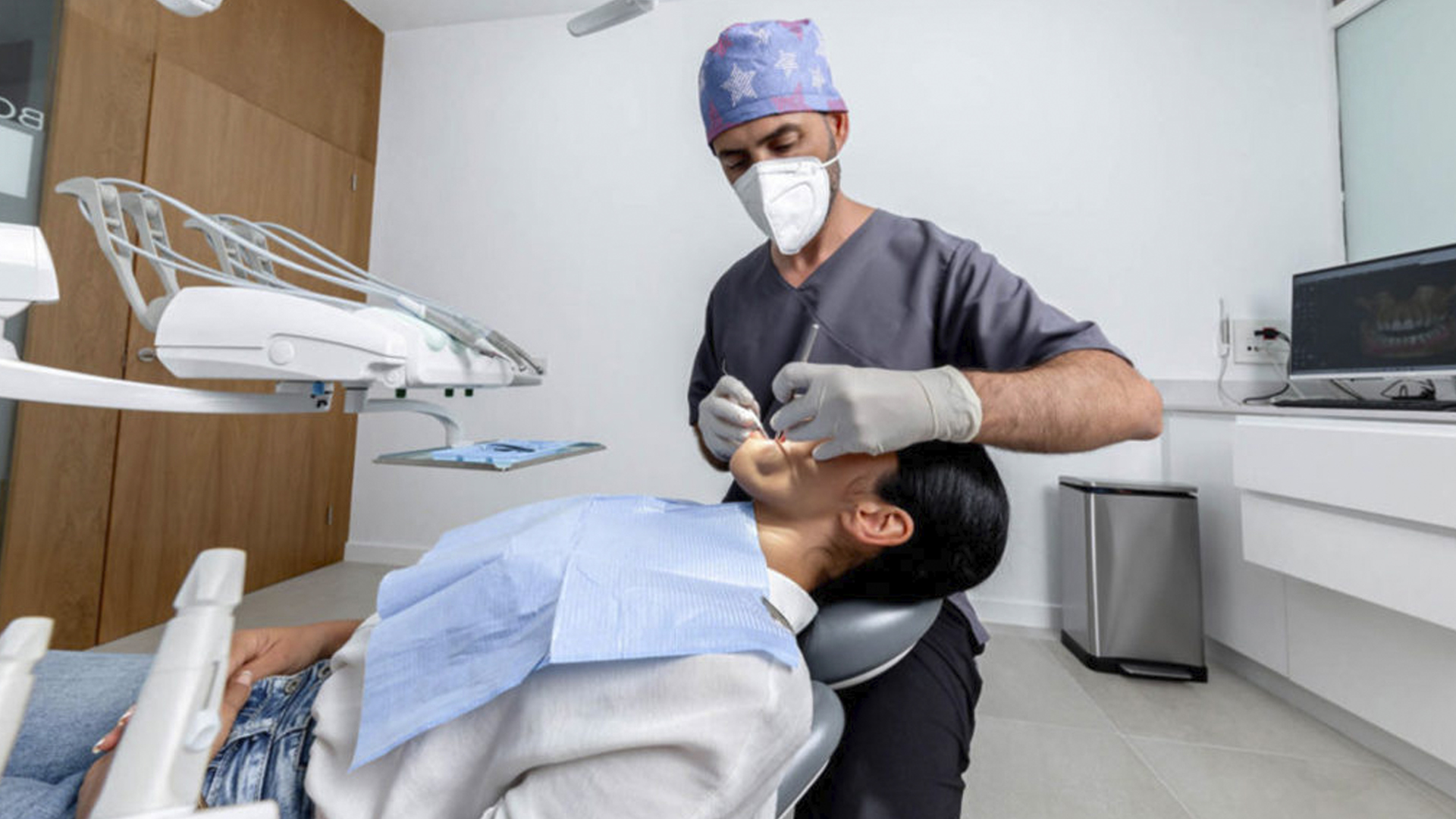
Dental trauma rarely arrives at a convenient moment. It tends to happen on a basketball court, during a bike ride, at the edge of a swimming pool, in a parking lot, or in the middle of dinner when someone bites down on something much harder than expected. The injury itself is only the first layer of the problem. Pain, bleeding, swelling, difficulty eating, damaged appearance, and the fear of permanent loss all follow quickly. What happens in the next hour often shapes the next several months.
That is where an Emergency Dentist Ventura becomes central to recovery. Emergency dental care is not simply about stopping pain or patching a broken tooth. At its best, it is a coordinated response that protects the injured tissue, lowers the risk of infection, stabilizes the bite, preserves function, and gives the patient the best possible chance of keeping natural teeth. The early decisions matter. So does the judgment behind them.
A traumatic dental injury can look straightforward from the outside and still involve deeper damage to the nerve, periodontal ligament, supporting bone, or surrounding soft tissue. A small chip may be cosmetic only, or it may expose dentin and lead to escalating sensitivity within hours. A tooth that appears intact may have been partially displaced in the socket. A knocked out tooth may still be saveable, but only if handled correctly and treated fast. This is why prompt evaluation by a trained emergency dentist is not an overreaction. It is often the difference between conservative treatment and complex reconstruction later.
Trauma does not follow a single pattern
When people hear the phrase dental trauma, they often picture a front tooth that has been broken in a fall. That certainly happens, but real cases are more varied. In practice, traumatic dental injuries range from enamel fractures to root fractures, luxation injuries, avulsions, jaw pain from impact, torn lips, and fractured restorations that expose vulnerable tooth structure. The severity is not always obvious in the first few minutes.
Children and teenagers often present after sports collisions, scooter falls, or playground accidents. Adults are more likely to arrive after car accidents, slips, workplace injuries, or nighttime grinding that finally cracks a weakened tooth. Older adults may be at higher risk after a fall, especially if medication causes dry mouth or bone density changes complicate healing. Each age group brings a different set of risks and recovery concerns.
One of the more difficult realities is that trauma often affects more than one structure at once. A patient may come in focused on a chipped front tooth, while the more serious issue is that a neighboring tooth has become mobile and the bite no longer lines up. Someone else may assume they only have a cut lip, then discover later that a tooth root cracked under impact. Experienced emergency care looks past the obvious and checks for the less visible consequences.
The first appointment shapes the rest of the recovery
The immediate goal after dental trauma is stabilization. That sounds simple, but in dentistry stabilization means several things happening at once. Bleeding must be controlled. Pain should be reduced. Damaged teeth need assessment for fracture depth, pulpal exposure, mobility, and displacement. The bite has to be checked. Soft tissues should be examined for embedded fragments of tooth or debris. Sometimes radiographs are needed quickly to rule out root fractures or bone involvement.
An Emergency Dentist Ventura will usually start by sorting the injury into categories that guide treatment. Is the tooth chipped but still vital and stable? Has it moved in the socket? Is the nerve exposed? Has the tooth been completely avulsed? https://anotepad.com/notes/s5wgaeyc Is there risk to adjacent teeth? Is there facial swelling that suggests more extensive injury or infection? These questions help determine whether the best first step is smoothing and sealing a fracture, bonding a fragment back in place, repositioning a tooth, splinting mobile teeth, starting root canal planning, or referring for oral surgery or medical imaging when needed.
In many cases, recovery improves because the dentist is thinking not only about what fixes the problem today, but also about what keeps options open a week or a month from now. A front tooth that can be temporarily stabilized and monitored may avoid immediate extraction. A cracked cusp can sometimes be protected with a provisional restoration until the true vitality of the tooth becomes clear. A dislodged tooth can occasionally be repositioned and splinted, buying time for the supporting tissues to reattach.
Patients often expect a single visit to solve everything. Trauma rarely works that way. The first appointment is often the moment where the damage is contained and a smart treatment path begins.
Timing matters more than most people realize
There is a practical window for treating many traumatic dental injuries. That window is widest for minor enamel chips and narrowest for teeth that have been knocked out completely. A tooth that is avulsed and left dry for an extended period loses viability quickly. Even when reimplantation is possible, the long-term prognosis worsens as the periodontal ligament cells on the root surface dry out.
I have seen families do exactly the right thing by bringing a knocked out tooth in milk within 30 minutes, and that speed changed the outcome. I have also seen the opposite, where the tooth was wrapped in a tissue and carried around for two hours. By then, the conversation often shifts from preserving the natural tooth to managing the consequences of its loss.
Urgency applies to more than avulsions. A deep fracture exposing the pulp can become dramatically more painful if left overnight. A displaced tooth can begin to set in the wrong position. Soft tissue lacerations may trap debris. Swelling can make examination more difficult later. Fast care does not guarantee an ideal result, but delayed care routinely narrows the choices.
What emergency treatment may involve
Dental trauma treatment is highly individual. Two people with what looks like a similar broken front tooth may leave with completely different plans based on age, fracture depth, root development, and bite forces. Still, several types of care appear often in emergency settings.
For uncomplicated chips, the dentist may smooth sharp edges and place a bonded restoration to protect the tooth and restore appearance. If sensitivity is pronounced, a protective liner or sealant may be placed even when the damage seems modest. For deeper fractures, treatment can move into pulp therapy or root canal planning, depending on whether the nerve can be preserved.
When teeth are loose or displaced, repositioning and splinting are common. A flexible splint allows the injured tooth to stabilize while the supporting structures heal. This is not a cosmetic bandage. It is a biologic strategy designed to support healing without immobilizing the tooth so rigidly that recovery is impaired.
If a crown, bridge, or large filling breaks during trauma, the emergency goal may be to secure or replace a temporary structure until definitive work can be done. Function matters here. A patient who cannot bite comfortably tends to overload other teeth, change chewing patterns, and increase muscle pain.
When bleeding or soft tissue damage is present, the dentist may clean the area thoroughly and check for hidden tooth fragments. Lip injuries, in particular, sometimes hold small enamel pieces after a front tooth fracture. Missing those fragments can delay healing and create preventable complications.
Recovery is not only about saving the tooth
A natural focus after trauma is whether the tooth can be saved. That is important, but recovery also means restoring comfort, speech, nutrition, and confidence. Front tooth injuries affect how people smile, speak, and show up at work or school. Posterior injuries affect chewing and can quickly lead to headaches or jaw fatigue because the bite has changed.
There is also a strong emotional side to dental trauma that should not be dismissed. Patients frequently arrive shaken, embarrassed, or convinced the damage will be permanent. Teenagers may be especially distressed by visible changes. Parents are often frightened when a child’s tooth is bleeding or displaced. Adults injured in public may replay the event over and over while trying to manage pain.
A good emergency dentist addresses those concerns directly. Clear explanations reduce panic. Realistic timelines matter. So does honest language about what is known today versus what will only become clear after healing begins. For example, a tooth that tests vital on day one may still require follow-up because trauma can disrupt blood supply in a way that reveals itself later. Telling the patient that possibility up front builds trust and prevents false reassurance.
Home care after the emergency visit can protect the result
The hours and days after treatment are part of the recovery, not an afterthought. Once the tooth is stabilized, patients need practical guidance. Soft foods, careful brushing, prescription or over-the-counter pain control, antimicrobial rinses when appropriate, and avoiding pressure on the injured area all make a measurable difference.
The advice has to fit the injury. Someone with a small bonded repair needs different instructions than someone with a splint on several front teeth. A child in mixed dentition needs supervision that an adult does not. A patient who clenches at night may need temporary protection to avoid undoing the repair while sleeping.
The most useful post-trauma instructions are simple enough to remember under stress:
- Keep the area clean, but be gentle around splinted or tender teeth.
- Eat soft foods and avoid biting directly into hard items until cleared.
- Use cold compresses on the face during the first day if swelling is developing.
- Return promptly if the bite feels different, pain escalates, or a tooth darkens.
- Do not skip follow-up, even if the tooth seems fine after a few days.
That last point deserves emphasis. Trauma can create delayed complications. Pulp necrosis, root resorption, lingering mobility, and bite changes may not show up right away. The patient who feels much better after 72 hours can still need meaningful intervention weeks later.
Why follow-up is where long-term success is often decided
Emergency care begins recovery, but follow-up determines how well that recovery holds. A tooth that survives the first day still needs monitoring. Vitality tests may be repeated. Radiographs may be taken again at intervals. Splints, if used, need removal at the right time. Bonded repairs should be checked for marginal leakage or occlusal stress. The patient’s symptoms must be compared with what would be expected for that specific injury.
This is where experienced clinical judgment makes a quiet but important difference. Over-treating too early can sacrifice healthy tissue. Under-treating can allow a reversible condition to become irreversible. The right balance changes from case to case.
Take the example of a slightly intruded tooth after an impact. In one patient, careful observation may be appropriate. In another, active repositioning is the safer choice because of root maturity, degree of intrusion, or how the opposing teeth are contacting. A deep crack in a premolar may initially respond to stabilization, but if pain with release continues or the fracture line propagates, the treatment plan may need to shift quickly. Trauma care is dynamic, not formulaic.
Common setbacks, and how they are managed
Even with prompt care, not every tooth heals perfectly. The body’s response to trauma can be unpredictable because blood supply, age, force direction, preexisting dental work, and oral habits all play a role. Patients do better when they understand that a setback is not always a sign of failed care. Sometimes it is simply the natural evolution of an injury that was serious from the start.
A tooth may discolor after impact, especially if the pulp has been damaged. It may become more sensitive to cold for a period before settling down. A bonded edge may chip again if the patient returns too quickly to hard foods or contact sports. Splinted teeth may feel strange for several weeks because the periodontal ligament is still healing.
Some warning signs deserve quicker review than others. Worsening swelling, throbbing pain, fever, pus, or a tooth that feels increasingly high when biting should not wait for a routine follow-up. Those symptoms may suggest infection, bite imbalance, or pulpal deterioration.
One of the hardest conversations in trauma care is when a tooth cannot be predictably saved long term despite excellent emergency treatment. Honest timing matters here. If prognosis drops, patients should hear it early enough to plan thoughtfully for replacement options such as an implant, bridge, or removable provisional. Good emergency dentistry includes that transition when necessary. It does not end at the moment the immediate pain is reduced.
Children, athletes, and older adults each need a different lens
Pediatric trauma often looks dramatic because bleeding around primary teeth can be heavy relative to the size of the injury. The goals are also different. With baby teeth, preserving the tooth is not always the primary objective. Protecting the developing permanent tooth underneath may matter more. That can surprise parents, especially when a primary front tooth is visibly displaced. A measured explanation helps them understand why the treatment plan may be more conservative or, in some cases, why extraction is the better choice.
Athletes present another set of issues. They are often eager to return to play before tissues have stabilized. That is risky. A recently traumatized tooth can suffer another blow before the ligament and bone have recovered. Mouthguard advice, return-to-sport timing, and temporary restrictions become part of treatment, not side notes.
Older adults may face more complicated recoveries because existing crowns, root canal treated teeth, gum recession, medications, or reduced dexterity affect both treatment and aftercare. A fall that causes a chipped tooth in a healthy 20-year-old might create a crown fracture, root compromise, and bruised supporting bone in a 70-year-old with extensive restorative work. The emergency plan has to account for the whole mouth, not just the visible break.
What to do before you get to the dental office
A smart first response can improve the dentist’s options. The challenge is that people are usually upset and making decisions fast. Short, practical steps are easiest to follow in that moment.
If a permanent tooth has been knocked out, handle it by the crown rather than the root. If it is dirty, rinse it briefly with clean liquid, do not scrub it, and keep it moist. Milk is commonly used if nothing more specialized is available. If there is bleeding, gentle pressure with clean gauze helps. For fractures, save any tooth fragments you can find and bring them along. A fragment can sometimes be rebonded successfully, especially when it has been stored promptly and the break is clean.
Pain can make people reach for the wrong habits. Biting repeatedly to “test” the tooth, chewing on the opposite side until the jaw becomes strained, or applying aspirin directly to the gum are all common mistakes. They add irritation without helping the injury.
The role of communication in a real dental emergency
One detail that patients often remember long after the injury is whether the dental office made the process feel organized. Trauma is frightening partly because it is chaotic. Clear instructions over the phone, fast triage on arrival, direct explanations during treatment, and specific follow-up plans all reduce that chaos.
A capable Emergency Dentist Ventura tends to focus on communication in very practical ways. The patient should understand what was injured, what was done today, what might still change, and when to come back. If referral is needed, the reason should be explicit. If a tooth’s survival is uncertain, that uncertainty should be explained without dramatics. Patients handle difficult news better when it is paired with a plan.
That professional steadiness matters more than people realize. Trauma care is not only a technical service. It is also a stabilizing presence during an event people did not plan for and do not fully understand.
Recovery is often a series of small wins
The public tends to think of dental recovery in black-and-white terms. The tooth was either saved or lost. Real recovery is more gradual. It may begin with getting through the night without severe pain, then being able to sip cold water comfortably, then seeing swelling go down, then smiling in a photo without feeling self-conscious. Function comes back in stages. So does confidence.
For some patients, the result is wonderfully simple. A chip is bonded, sensitivity settles, and the issue fades into memory. For others, trauma opens a longer path involving splints, endodontic care, crowns, and monitored healing. Both outcomes can still represent good dentistry if the care was timely, the decisions sound, and the patient was guided carefully through the process.
The strongest emergency dental care does not promise perfection after an accident. It protects what can be protected, restores what can be restored, and makes the next step clearer when the situation is uncertain. That is the real value of an Emergency Dentist Ventura after dental trauma. In the middle of pain and confusion, recovery needs more than speed. It needs skilled judgment, steady hands, and a plan built for the way teeth actually heal.
Avra Dental
1708 S Victoria Ave B, Ventura, CA 93003, United States
Phone: +1 805-765-3206
FAQ About Emergency Dentist Ventura
Can the ER do anything for tooth pain?
An emergency department can assess serious symptoms and provide temporary relief, but definitive dental treatment usually requires a dentist. Trouble breathing or swallowing, uncontrolled bleeding, or swelling spreading into the neck requires emergency medical care.
What do I do if I have a dental emergency and no dentist?
Contact a local emergency dental practice promptly, explain your symptoms, and ask about the earliest available assessment. Avra Dental provides emergency dentistry in Ventura; call to confirm availability. If you have life-threatening symptoms or a serious facial injury, go to an emergency department or call 911.
What do I do if tooth pain is unbearable?
Seek urgent dental assessment rather than waiting for the pain to pass. While arranging care, gently rinse with warm water and avoid placing aspirin directly on the tooth or gums. Severe pain with trouble breathing or swallowing, rapidly spreading swelling, or uncontrolled bleeding needs immediate emergency medical care.
Ends · JULIUSNEUL363