Periodontal Treatment for Mild, Moderate, and Severe Gum Disease
Gum disease rarely announces itself with drama at the start. Most people notice a little bleeding when brushing, a bit of puffiness along the gumline, maybe persistent bad breath they blame on coffee or stress. By the time teeth feel loose or chewing becomes uncomfortable, the disease has often been active for years. That slow, quiet progression is exactly why periodontal treatment needs to be matched to the stage of disease. Mild gingivitis does not require the same approach as moderate periodontitis, and severe periodontitis cannot be handled with routine cleaning and better flossing alone.
In practice, one of the most important parts of periodontal care is not the procedure itself. It is accurately identifying how far the disease has gone, what tissue has already been lost, and what can still be preserved. Patients often ask a simple question: “Do I need a deep cleaning?” The honest answer depends on pocket depth, bleeding, bone levels on X-rays, plaque retention patterns, medical history, and how the gums respond over time. Periodontal treatment is not one-size-fits-all dentistry. It is staged care.
What gum disease really is
Healthy gums fit snugly around the teeth, with shallow crevices that are easy to keep clean. Gum disease begins when bacterial biofilm, commonly called plaque, accumulates at and below the gumline. If that biofilm is not disrupted consistently, the body mounts an inflammatory response. In the earliest phase, the gums become red, swollen, and prone to bleeding. This is gingivitis.
Gingivitis is reversible. That point matters. At this stage, the inflammation affects the gum tissue, but the bone and connective tissue that support the teeth have not been permanently destroyed. With thorough professional cleaning and improved home care, the gums can return to health.
Periodontitis is different. Once inflammation extends deeper and begins to destroy attachment and supporting bone, the problem is no longer fully reversible. Lost bone does not simply grow back because someone starts flossing again. Progress can often be halted or slowed, and in selected cases some tissues can be regenerated, but the disease shifts from a hygiene issue to a chronic structural one. That shift is what changes the nature of periodontal treatment.
How dentists and periodontists judge severity
Patients sometimes assume severity is based on pain, but gum disease is a poor pain generator until it becomes advanced. I have seen patients with 6 to 8 millimeter periodontal pockets and significant bone loss say, quite sincerely, that nothing felt wrong. That is why diagnosis depends on measurement rather than sensation.
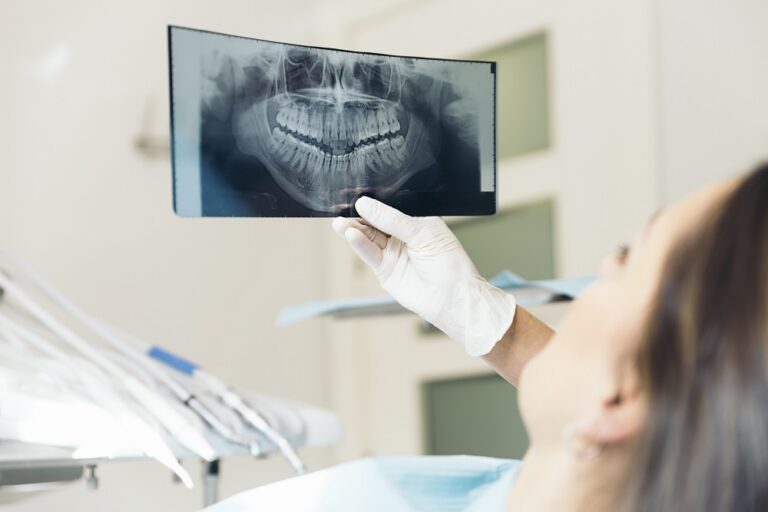
A periodontal exam usually includes probing depths around each tooth, bleeding assessment, checking for gum recession, evaluating plaque and calculus deposits, testing for tooth mobility, and reviewing radiographs for bone levels. A healthy sulcus is usually 1 to 3 millimeters deep and does not bleed easily. When those measurements deepen and bleeding becomes frequent, concern rises. Pocket depth alone is not the whole story, because inflamed tissue can produce false readings, but it is a key part of the picture.
Severity is also shaped by risk factors. Smoking changes blood flow and can mask obvious bleeding, making diseased gums look deceptively calm. Diabetes, especially when poorly controlled, can intensify inflammation and impair healing. Dry mouth, certain medications, clenching, crowded teeth, old restorations with rough margins, and family history can all complicate treatment. Two patients with similar probing depths may receive different recommendations because their biology and habits are not the same.
The typical pattern at each stage
The progression from mild to severe disease is not always neat, but most cases fit a recognizable pattern.
- Mild gum disease often shows up as redness, swelling, occasional bleeding with brushing or flossing, and little to no bone loss.
- Moderate disease usually involves deeper pockets, more persistent bleeding, early to moderate bone loss, and areas that trap food or feel tender.
- Severe disease may include significant bone loss, gum recession, tooth mobility, drifting teeth, exposed root surfaces, and changes in bite or chewing comfort.
Those descriptions are broad, not diagnostic. A patient can have severe destruction around a few teeth and only mild inflammation elsewhere. Localized disease is common, especially around older crowns, bridgework, wisdom teeth, or areas that are hard to clean.
Periodontal treatment for mild gum disease
When gum disease is mild, treatment is usually conservative but should still be taken seriously. Mild disease generally refers to gingivitis or very early periodontal involvement with minimal attachment loss. The main goal is to remove bacterial deposits thoroughly and eliminate the conditions that let them return quickly.
A standard professional cleaning may be enough if the problem is limited to gingival inflammation above the bone level and there are no true periodontal pockets. During the visit, plaque and tartar are removed from the visible tooth surfaces and just under the gumline, then the teeth are polished as needed. This is not cosmetic fluff. Smooth surfaces retain less plaque, and patients often brush more effectively when their teeth feel clean rather than rough.
The second part of mild-stage periodontal treatment is instruction, and this is where outcomes often diverge. It is common for patients to think they already brush well, but technique matters more than effort. Scrubbing hard with a medium or firm brush can miss the gumline while causing recession. Floss can be ineffective if it snaps through the contact and comes straight back out without hugging the tooth. Small changes, such as angling an electric brush correctly or switching to interdental brushes for wider spaces, can improve inflammation within a few weeks.
For some patients, antimicrobial rinses are used for a short period. Chlorhexidine can help in selected cases, especially when gums are acutely inflamed or oral hygiene is difficult after another procedure, but it is not ideal as a long-term habit because of staining and altered taste. Many people do just as well with meticulous mechanical cleaning and more frequent maintenance.
A realistic follow-up matters. Mild disease should improve quickly. If a patient returns after several weeks or a few months and the gums are still bleeding heavily, the diagnosis may need to be revisited. Sometimes the disease is deeper than it first appeared. Sometimes heavy calculus below the gumline was missed. Sometimes the issue is not motivation but anatomy, such as crowded lower front teeth where plaque accumulates rapidly.
When a routine cleaning is not enough
This is one of the most misunderstood points in dentistry. Patients often hear “cleaning” and assume all cleanings are basically the same. They are not. A routine prophylaxis is designed for mouths without significant periodontal breakdown. Once pockets deepen and deposits extend farther below the gumline, treatment needs to become more deliberate.
That is where scaling and root planing enters the picture. Commonly called a deep cleaning, it is a non-surgical periodontal treatment aimed at removing calculus, bacterial toxins, and contaminated cementum from root surfaces below the gums. Local anesthetic is often used because the work is deeper and more extensive than a routine cleaning.
The difference is not marketing language or billing semantics. It is a clinical distinction. If a patient has 5 or 6 millimeter pockets with subgingival calculus, a routine cleaning will not adequately address the disease. The tissue may look cleaner for a week, but the bacteria responsible for chronic inflammation remain in place.
Periodontal treatment for moderate gum disease
Moderate gum disease often marks the point where many patients realize the problem is real. Bleeding becomes more frequent, bad breath may persist despite brushing, and X-rays begin to show bone changes. This stage often responds well to non-surgical therapy, but success depends heavily on follow-through.
Scaling and root planing is the foundation of treatment for many moderate cases. The mouth may be treated by quadrant over two or more appointments, especially if several areas are involved. Ultrasonic https://connerycwq409.huicopper.com/periodontal-treatment-for-healthier-gums-fresher-breath-and-stronger-teeth instruments help break up heavy deposits, while hand instruments refine the root surface. The goal is not to make roots glassy smooth for its own sake, as older descriptions sometimes suggested. The goal is to debride the root enough that inflamed tissue can heal and the patient can keep the area cleaner going forward.
After treatment, the gums may shrink slightly as inflammation subsides. Patients are sometimes alarmed by this because the teeth can look longer and spaces may appear between them. Clinically, that change often reflects healing rather than harm. Swollen tissue had been masking the underlying anatomy. Still, this is an important conversation to have ahead of time, especially for people concerned about esthetics.
Re-evaluation is a critical step that should never be skipped. Four to eight weeks after scaling and root planing, pocket depths and bleeding points are measured again. Many moderate cases improve substantially. Pockets may shrink, bleeding may decrease, and the tissue may become firmer and easier to maintain. If some areas remain deep and inflamed, the next phase of periodontal treatment may include localized antibiotics, repeat instrumentation, or referral to a periodontist.
Localized antimicrobial therapy has a place, though not in every case. Products placed directly into periodontal pockets can reduce bacterial load in targeted sites that do not fully respond to mechanical therapy. They are adjuncts, not substitutes. If home care is weak or smoking continues heavily, local antibiotics alone rarely change the long-term trajectory.
Another practical issue at the moderate stage is restorative planning. A filling margin that extends too far below the gumline, a crown with overhang, or a bridge that is difficult to clean can sabotage treatment. I have seen patients put genuine effort into oral hygiene and still struggle because the dental work itself traps plaque. In those cases, periodontal treatment sometimes includes recontouring or replacing restorations so the gums have a fair chance to heal.
Severe gum disease requires a broader strategy
Severe periodontitis is where periodontal treatment becomes less about simply controlling inflammation and more about preserving the dentition strategically. At this stage, bone loss may be advanced, pockets may exceed 6 millimeters in multiple sites, and some teeth may be mobile or have furcation involvement, meaning the bone loss extends into the area where roots divide. Those situations are harder to clean, harder to stabilize, and less predictable over time.
The first step is still usually non-surgical debridement. Even when surgery is likely, reducing inflammation first makes the tissues easier to evaluate and can improve the quality of later treatment. After initial therapy, some teeth surprise everyone by firming up and becoming maintainable. Others remain compromised and reveal that the architecture of the bone or root anatomy will not permit long-term success without surgical access.
Periodontal surgery is not one single procedure. It includes several approaches, chosen according to the defect and the goal. Flap surgery allows the clinician to reflect the gum tissue, gain direct access to root surfaces and bony defects, remove deep deposits more thoroughly, and reshape or manage the tissue for better maintenance. In selected defects, regenerative procedures may be attempted using bone graft materials, membranes, or biologic agents to encourage new support around the tooth. These cases are highly site-specific. Narrow, vertical defects around strategic teeth may be good candidates. Broad, horizontal bone loss across the mouth is far less favorable for regeneration.
Resective procedures are sometimes necessary when anatomy makes plaque control otherwise impossible. This can sound discouraging, but the rationale is practical. A tooth with advanced furcation involvement may never become ideal, yet careful reshaping of tissue and bone can make it more maintainable and extend its life for years. That kind of judgment is central to severe periodontal treatment. The best choice is not always the most aggressive or the most technologically impressive one. It is the option that gives the patient the most stable, functional result they can realistically maintain.
Extraction enters the conversation more often at this stage, and patients understandably find that difficult. A severely mobile tooth with extensive bone loss, repeated abscesses, or a fracture may not be savable in a meaningful way. Keeping such a tooth too long can compromise neighboring structures, complicate chewing, and drain time and money without much benefit. On the other hand, not every badly damaged tooth should be removed quickly. Strategic value matters. A tooth that helps support a partial denture or maintains bone in a key esthetic area may be worth a more determined effort if the prognosis is fair and the patient is committed.
How maintenance determines whether treatment lasts
Periodontal treatment does not end when the deep cleaning or surgery is over. Periodontal disease is chronic, which means patients remain susceptible even after active therapy succeeds. The bacteria that drive disease can recolonize. Old habits return quickly. Missed maintenance appointments often set the stage for relapse.
For that reason, periodontal maintenance is different from a standard six-month cleaning schedule. Many patients need supportive care every three or four months, at least initially. That interval is not arbitrary. In mouths with a history of periodontitis, plaque can mature and provoke inflammation again before six months have passed. During maintenance visits, the clinician monitors pocket depths, bleeding, mobility, gum recession, and specific high-risk sites, not just superficial stain and tartar.
The patients who do best long term usually treat these visits as part of managing a chronic condition, similar to monitoring blood pressure or diabetes. The ones who struggle often think of treatment as a one-time repair. That difference in mindset shows up clearly after a few years.
Home care that supports healing
The gap between average results and excellent results is often found at home, in the ordinary minutes that never appear on a treatment plan. The basics are familiar, but the details matter.
- Brush twice daily with a soft manual or electric brush, spending extra attention at the gumline rather than only the biting surfaces.
- Clean between the teeth every day with floss, interdental brushes, or water flossing when appropriate for the spacing and dental work present.
- Stop smoking or vaping if possible, because tobacco use worsens healing and sharply raises the risk of recurrence.
- Keep dry mouth, diabetes, and other medical contributors under control with the help of the appropriate physician when needed.
- Return for periodontal maintenance on the schedule recommended, even if the mouth feels fine.
That last point deserves emphasis. Gum disease often worsens silently. Waiting for symptoms is a poor strategy.
Cost, discomfort, and the trade-offs patients should understand
Patients deserve straight talk about what periodontal treatment involves. Non-surgical therapy can cause temporary soreness, temperature sensitivity, and slight gum shrinkage as swelling resolves. Surgical care brings more downtime, more expense, and more variation in healing from one person to another. None of that means treatment should be avoided. It means expectations should be set honestly.
Cost usually rises with disease severity because advanced care takes more time, may require specialist involvement, and often intersects with restorative or replacement dentistry. Yet delaying treatment tends to increase the eventual price, not reduce it. Managing moderate periodontitis with scaling and root planing plus maintenance is usually simpler than managing severe disease after teeth become loose, bite changes, and implants or partial dentures are needed.
There is also an esthetic trade-off that patients do not always anticipate. Healthier gums after treatment may sit lower on the teeth than inflamed gums did before. That can expose root surfaces, create dark spaces between teeth, or increase sensitivity. From a biologic standpoint, the tissues are often better off. From a cosmetic standpoint, some patients need time to adjust, and some later choose restorative or cosmetic solutions if the spacing is noticeable.
Special situations that change the treatment plan
Not every case fits the textbook. Pregnancy can increase gum inflammation dramatically because hormonal shifts alter the tissue response to plaque. The treatment approach remains conservative and hygiene-focused, but timing and comfort considerations change.
Young adults with unexpectedly severe destruction deserve a careful workup. Sometimes the explanation is simply poor plaque control and smoking. Sometimes there is a strong genetic component or an undiagnosed medical issue. When a 28-year-old presents with bone loss that looks more typical of a much older patient, the clinician should think broadly.
Patients with braces, fixed retainers, implants, or extensive bridgework also need tailored periodontal treatment. Appliances and restorations create plaque traps and cleaning challenges that standard advice may not solve. A patient with lower bonded retainers, for example, may need threaders or small interdental brushes rather than conventional floss alone.
Implants add another wrinkle. Gum disease around natural teeth increases the risk of inflammation around implants as well. Periodontal treatment before implant placement is not just ideal sequencing. It is risk reduction. Placing implants into an unstable periodontal environment is asking for future trouble.
What a good prognosis looks like
A favorable outcome is not always a perfect-looking smile with every millimeter of bone restored. In real clinical terms, success usually means inflammation is controlled, pocket depths are reduced or stable, bone loss has stopped progressing, chewing is comfortable, and the patient can maintain the result without constant emergency visits.
Some severely affected teeth can function for many years with disciplined care. Others have a limited lifespan even after excellent treatment. A good periodontal team says that plainly. Overpromising is easy in the short term and damaging in the long term. Patients generally handle nuanced information well when it is explained clearly: this tooth is stable now but needs close monitoring, this area may require surgery if it does not improve, this molar may be maintainable but carries more risk than the others.
That kind of honest, staged planning is the real backbone of periodontal treatment. Mild disease responds best to early intervention and better daily care. Moderate disease often needs deep cleaning and structured reevaluation. Severe disease calls for a broader plan that may include surgery, extractions, and long-term maintenance tailored to the realities of the case. The earlier the disease is recognized, the more options remain on the table, and the more likely it is that the patient keeps their teeth comfortably for the long haul.
Avra Dental
Address: 1708 S Victoria Ave B, Ventura, CA 93003
Phone number: (805) 941-1001
FAQ About Periodontal Treatment
Can a dentist get rid of periodontal disease?
A dentist or gum specialist (periodontist) cannot fully cure or reverse advanced periodontal disease (periodontitis), but they can successfully stop its progression and manage the infection.
Is periodontitis very serious?
Yes, periodontitis is a very serious, advanced form of gum disease that destroys the bone and tissues supporting your teeth.
How is stage 2 periodontal disease treated?
Stage 2 periodontal disease (early to moderate periodontitis) is primarily treated with non-surgical deep cleaning procedures like scaling and root planing to remove bacteria and tartar below the gumline.
Ends · JULIUSNEUL363